

Masturbation side effects- Reality vs Myth

Google AdSense
pub-9343718940553089
blog Post Top
Masturbation Effects: Myths, Facts, and the Evidence-Based Truth
Masturbation Effects — Quick Overview
Masturbation is normal!
Masturbation doesn't decrease masculinity.
It doesn't reduce hormone levels in the body.
It doesn't cause infertility in males.
It doesn't stunt a person's growth.
It doesn't cause blindness.
Masturbation is usually safe in moderation.
Masturbation becomes a problem only when:
It starts to hamper your professional work or studies.
It affects your relationship with loved ones.
It starts causing you guilt or emotional disturbance.
You develop a compulsive urge towards masturbation.
You can't sleep at night due to masturbation.
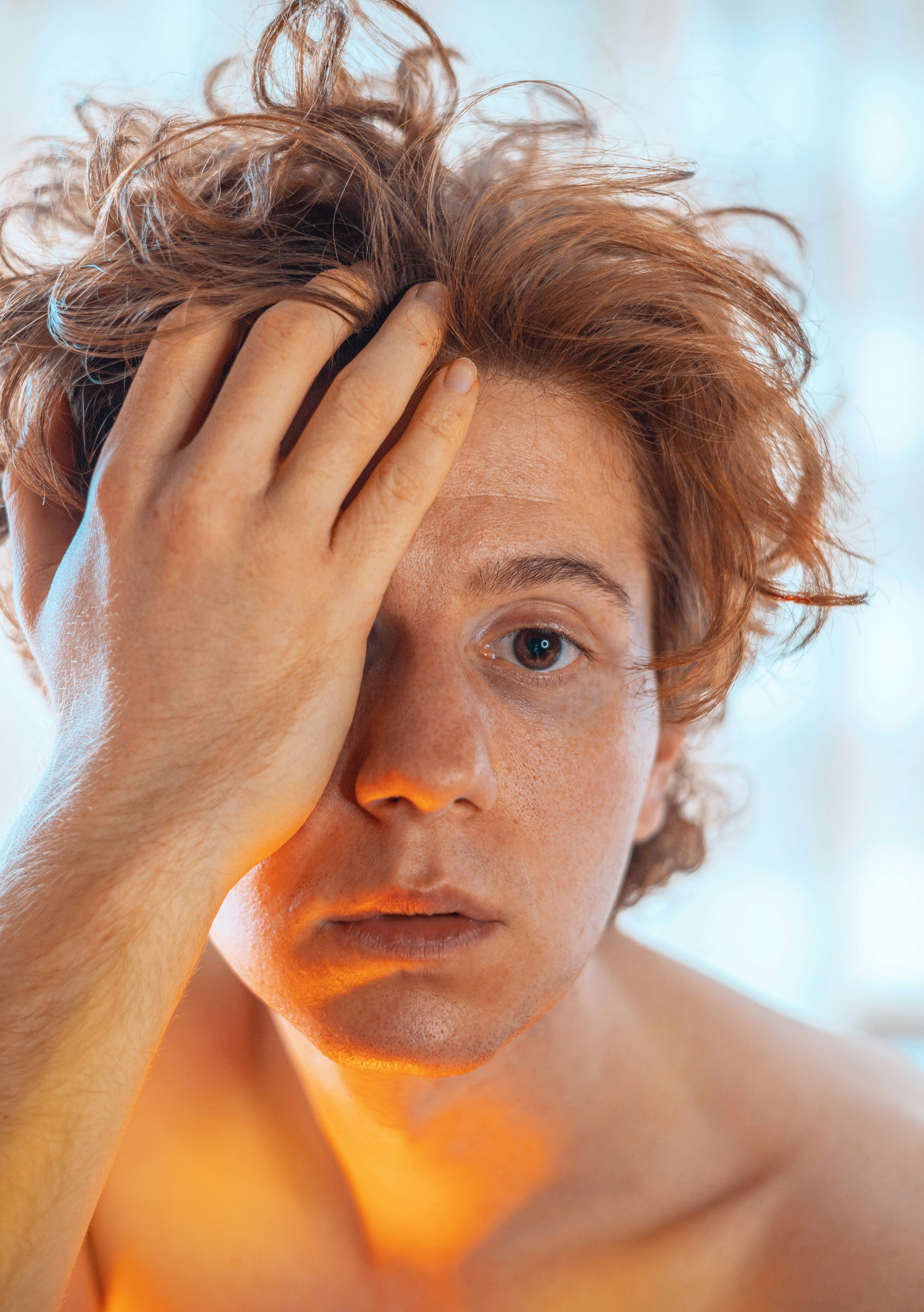
Masturbation: Definition
What is Masturbation?
Masturbation involves the touching of your genital areas, with or without stimulating yourself to a climax. Masturbation is a normal activity in individuals after they reach puberty. Masturbation is a common habit found among individuals across all age groups.
Both men and women are involved in masturbation as part of their sexual lives.
Health organizations generally consider masturbation as a part of sexual activities and normal life.
Masturbation Effects — Research Snapshot
Mayo Clinic: Masturbation is a normal sexual behavior; it does not have any physically harmful side-effects.
NHS: Masturbation is a common and healthy practice for most people, and there is no link between masturbation and any other form of physical harm.
MedlinePlus: Masturbation does not cause infertility and will not cause you to go blind.
World Health Organisation (WHO): The concern is generally more around the sexual act that masturbation may be associated with, rather than the act of masturbation itself.
JAMA (Journal of American Medical Association): There was one study suggesting that more frequent sexual intercourse may correlate with lower rates of prostate cancer. That study didn't establish a cause-effect relationship.
Bottom Line: Most of the negative masturbation effects touted in popular culture or other less authoritative sources don't have any backing from science.
Myth vs Reality
1. Masturbation Causes Weakness
Reality: There is no concrete evidence to support claims that masturbation causes weakness. However, many individuals feel a bit tired and relaxed after reaching orgasms, but this feeling is short-lived and part of the natural process.
2. Masturbation Causes Infertility
Reality: Normal masturbation will not cause infertility. Ejaculation on a frequent basis might temporarily lower the amount of semen, but your body will continue to produce sperm.
3. Masturbation Causes Low Hormones (Testosterone) Permanently
Reality: Hormones such as testosterone fluctuate briefly after a period of sexual activity, but they always go back to their normal levels. There is no proof that this activity leads to lasting hormone deficiency.
4. Masturbation Causes Hair Loss
Reality: Most causes of hair loss are hereditary, hormone-related, age-related, stress-related or the result of underlying health conditions, and they do not involve masturbation.
5. Masturbation Shrinks Muscles
Reality: Muscles grow and get stronger due to nutrition, protein consumption, sleep, and proper exercise. Masturbation does not have an impact on muscle size.
6. Masturbation Makes Men Feminine
Reality: Masturbation does not impact a man's masculine characteristics, facial features, gender, or sexual orientation.
Myth vs Reality Table
MYTH REALITY Masturbation causes infertility No reliable evidence in healthy males. Causes blindness Myth It causes physical weakness Brief feeling of relaxation or tiredness. Lowers hormone levels forever Hormonal fluctuations may be temporary. Stunts the height growth No connection. Makes muscles shrink No evidence. It makes one feel low in intellect No evidence found. It makes men feminine Not true. Causes ED/Impotence Not directly, though compulsive behavior can lead to it.

Masturbation Effects — Possible Side Effects (When Done Excessively)
While masturbation is generally not harmful for most, when done excessively, it can result in a number of adverse effects.
Physical Side Effects of Masturbation May Include:
Skin irritation and redness
Soreness
Mild fatigue
Temporary mild discomfort caused by overstimulation of your sensitive parts
Mental & Psychological Side Effects of Masturbation May Include:
Feeling of guilt
Anxiety
Habit-forming behavior
Loss of concentration
Irritability
Lifestyle-Related Side Effects of Masturbation May Include:
Sleep deprivation
Productivity loss
Disregard for responsibilities
Relationship problems
Note: The above side-effects are associated more with overdoing the act rather than masturbation itself.
Benefits of Masturbation
For individuals who don't feel any of the negative masturbation effects mentioned above, masturbation may have some benefits such as:
Stress reduction
Improved mood
Relaxation
Sleep aid
Enhanced self-understanding
A safe way to experience sexual release without risks of conception or STI
"Benefits are subjective and may vary from individual to individual." — Cleveland Clinic
Masturbation Effects on Prostate Cancer
A recent large-scale study suggests that having a higher frequency of ejaculation may correlate with a lower risk of prostate cancer. However, correlation does not equal causation.
Key Takeaways
It's important to remember:
Masturbation is generally a normal and harmless activity for individuals.
Many common "scary" side effects associated with masturbation are, in reality, myths with no scientific basis.
It does not result in sterility, blindness, or permanent frailty.
It does not lead to lasting low hormone levels.
Serious issues arise primarily when masturbation becomes compulsive, disruptive, or leads to emotional distress.
If you're concerned about your masturbation habits, your hormone levels, your fertility, or your mental health, consult with your doctor, urologist, sexual health therapist, or other appropriate medical professional.
FAQs About Masturbation Side Effects
1. Does masturbation cause weakness? No, it might cause a temporary feeling of relaxation or tiredness.
2. Does masturbation cause infertility? No, it does not in otherwise healthy males.
3. Does masturbation lower hormones? Not permanently; hormone levels may fluctuate briefly.
4. Does masturbation cause hair loss? No credible scientific evidence supports this.
5. Does masturbation stop height growth? No; height depends on genetics, nutrition, and hormones.
6. Does masturbation cause dysfunction? No direct link; erectile dysfunction (ED) is typically caused by other factors like stress, anxiety, or medical conditions.
7. Is masturbation harmful? Not by itself; it becomes a problem if it causes hurt, distress, or significantly interferes with life.
8. Can masturbation improve sleep? For some, it can help them unwind and sleep better.
9. Can masturbation cause pimples? There is no established scientific connection between the two.
10. Is masturbation normal? Yes, major health organizations consider it a standard sexual behavior.
Research — Key Findings
SOURCE KEY POINT Mayo Clinic Masturbation is normal; it is not physically damaging on its own. NHS Frequent self-gratification is common, safe and not linked to physical harm. MedlinePlus It will not cause infertility or blindness. Cleveland Clinic Normal and may relieve tension and aid rest. Planned Parenthood Safe, typical behavior, no risk of pregnancy or STIs. WHO The concern relates to compulsive sexual behaviour, feeling loss of control, or distress. JAMA A study suggested lower prostate cancer risk with frequent ejaculation; not definitive proof.
Final Word
Masturbation is not the harmful practice that numerous myths often portray it to be. Rather, for most people, masturbation is a harmless and natural activity. Its effects and complications mostly stem from compulsive or uncontrolled behavior, rather than the act itself.
If you're concerned about the health or social implications of your masturbation habits or worried about your overall health (hormones, fertility, mental well-being), it is best to consult a qualified medical professional.
Google AdSense
pub-9343718940553089
blog Post Bottom
Comments0
You must be logged in to join the discussion.
No comments yet. Be the first to start the discussion!